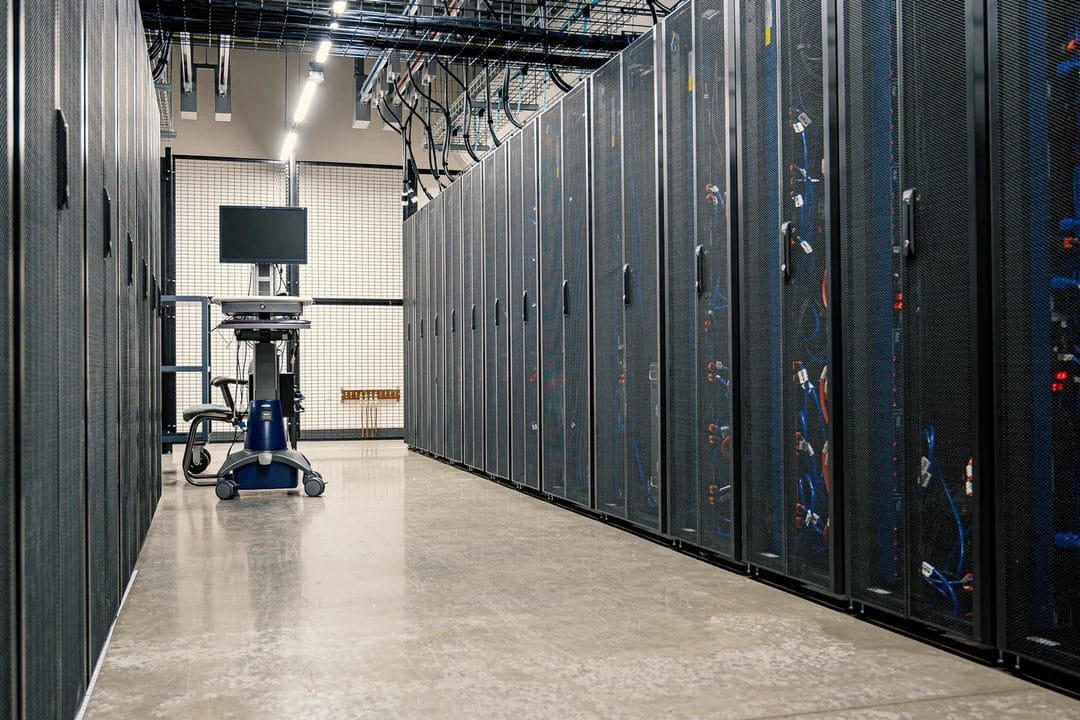
Malaysia's Johor state has become the primary release valve for Singapore's data center sector, absorbing a wave of cloud and artificial-intelligence infrastructure investment that Singapore's own power and land constraints can no longer accommodate. According to state investment officials in Johor Bahru, committed data center capacity across the Sedenak, Kulai and Iskandar Puteri industrial corridors crossed 1.5 gigawatts this month, up from a fraction of that figure five years ago.
The shift traces back to Singapore's 2019 moratorium on new data center capacity, imposed by the city-state's Economic Development Board after electricity and water demand from server farms began competing directly with residential and industrial users. In 2022, Singapore eased the freeze under a sustainability-linked framework, though the replacement approval process remains slow and selective. Operators that need gigawatt-scale capacity within a two- or three-year window have largely stopped waiting in the queue.
Malaysian Approvals Outpace Available Power
The Malaysian Investment Development Authority has approved well over MYR 100 billion in data center-related investment since 2021, spread across projects from YTL Power International, Singapore's ST Telemedia Global Data Centres, Google, Microsoft and a cluster of Chinese cloud operators expanding outside Singapore's jurisdiction. Built in partnership with Nvidia on AI compute infrastructure, YTL's Kulai campus was among the first to break ground at scale in Johor rather than across the causeway.
Tenaga Nasional Berhad, the state utility responsible for Johor's grid, has told several operators that new substation capacity will not be ready before 2028 in parts of the Kulai corridor — a timeline mismatch that is now shaping where new campuses get sited within the state, according to developers briefed on the constraint. Because transmission headroom there is less committed than in Kulai, some projects have shifted specifically toward Iskandar Puteri.
Cross-Border Power Deals Fill the Gap
Singapore, for its part, has leaned further into the Laos-Thailand-Malaysia-Singapore Power Integration Project, the regional electricity-trading arrangement that lets Singapore import hydropower generated in Laos across Thai and Malaysian transmission lines. On both sides of the causeway, officials have described expanding that import volume as one option for easing pressure on Johor's own generation stack as data center load grows faster than new plants can be commissioned.
Land is emerging as the next constraint behind power. According to planning officials, Johor's state government has fielded applications for data center sites that, combined, would exceed the industrial land currently zoned for the purpose in Sedenak and Kulai — a gap pushing some newer proposals toward Pontian and Batu Pahat, further from Singapore's border but with more available substation capacity in the medium term.