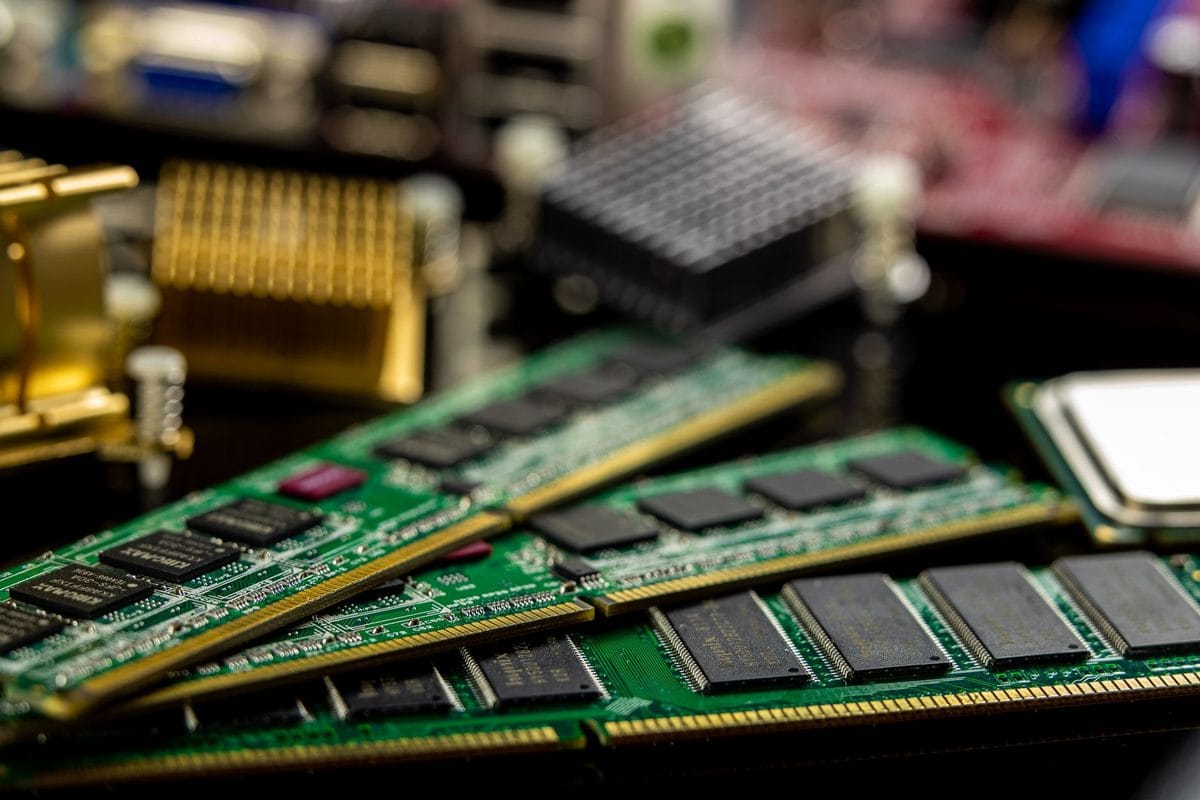
South Korea's exports jumped 83.5% in September from a year earlier to a record $120.94 billion, the first month above $120 billion, as semiconductor shipments more than tripled on global spending on artificial intelligence, the Ministry of Trade, Industry and Resources said on Thursday. The result beat a market forecast for a 62.0% increase, according to Reuters, and marked the 16th straight month of export growth.
Chips alone brought in $60.3 billion, up 262.8% and close to half of all outbound shipments. It is the first time a single product category has passed $60 billion in a month, following August's $46.7 billion, Chosunbiz reported from the ministry data. The ministry credited higher memory volumes and continued gains in contract prices, and said exports excluding chips still rose 23%.
A record built on memory
Computer exports rose 435.3% to $7.0 billion on demand for agentic AI and AI infrastructure, the ministry said. Samsung Electronics and SK Hynix together control roughly 80% of the global market for high-bandwidth memory and 60% of the market for dynamic random-access memory, according to Counterpoint Research, as cited by Al Jazeera.
The demand signal extends beyond Korea. Micron Technology reported on Wednesday record revenue of $54.23 billion for its fiscal fourth quarter, which ended Sept. 3, about 4.8 times the year-earlier figure and 6.2% above the consensus compiled by the London Stock Exchange Group, according to Korea JoongAng Daily. Micron guided to $60 billion to $63 billion for the next quarter. Reuters reported that Micron's orders far exceed its production capacity and that the AI memory boom has tightened supply of conventional chips, pushing their prices higher.
Cumulative exports for January through September reached $814.5 billion, already above the full-year 2025 record of $709.3 billion. The ministry said average exports per working day rose 104.9%, to $5.63 billion. Reaching $1 trillion for the year would take about $185.5 billion over October to December, roughly a month and a half at September's pace.
"While the achievement of annual exports of $1 trillion is expected, the strengthening of global protectionism and the tense situation in the Middle East region still remain big variables for our exports," Industry Minister Kim Jung-kwan said in a statement.
Gains across markets, with a Middle East exception
Six of Korea's nine major export markets grew in September. Shipments to China and the United States each more than doubled, and sales to Southeast Asia passed $20 billion for the first time.
| Destination | September exports | Change y/y |
|---|---|---|
| China | $26.01 billion | +122.7% |
| United States | $24.33 billion | +137.0% |
| ASEAN | $21.29 billion | +92.6% |
| European Union | $8.65 billion | +20.9% |
| Middle East | $1.6 billion | -14.1% |
China topped $20 billion for the fourth consecutive month, and EU shipments rose for a tenth straight month. Exports to the Middle East fell because of difficulties transiting the Strait of Hormuz, Chosunbiz reported.
Outside semiconductors, the picture was mixed. Ship exports rose 29.9% to $3.76 billion on deliveries of liquefied natural gas carriers and very large gas carriers, and cosmetics climbed 31.4% to $1.51 billion. Petroleum products rose 72.0% to $7.22 billion on higher oil prices, although volumes fell 6.9%, according to Korea.net. Automobile exports slipped 5.5% to $6.05 billion, which the ministry linked to the timing of the Chuseok holiday and weak used-car sales.
Imports increased 26.0% to $71.09 billion, ahead of the 21.5% increase that had been forecast, according to Reuters. The trade surplus reached a record $49.85 billion, up from $34.79 billion in August. The surplus for the first nine months stands at $252.5 billion, Chosunbiz said.
Stocks and the central bank tell a different story
The trade data landed in a market that has been moving the other way. The KOSPI ended the third quarter at 6,838.04, down 19.3% over the period and 25% below its June 22 record close of 9,114.55, according to Aju Press. The Financial Times reported that the index was the worst performer among major markets in the quarter, citing the unwinding of leveraged hedge fund positions in memory-chip stocks in July and volatility in single-stock leveraged exchange-traded funds.
The index rebounded 1.95% to 6,971.35 on Thursday. Institutions bought a net 334.3 billion won of shares while foreign investors sold a net 547.3 billion won, Aju Press reported. Seoul Economic Daily put forward price-to-earnings ratios for Samsung Electronics and SK Hynix at about four to five times, though analysts cautioned that a low multiple alone does not mean the shares are undervalued.
Interest rates are part of the explanation. The U.S. 10-year Treasury yield stayed above 5.2% at the end of September, keeping pressure on equity valuations, Aju Press said. Joshua Crabb, head of Asia-Pacific equities at Robeco, said higher bond yields could become a headwind for the Korean market, though the direct effect would be limited because chipmakers' multiples are already low. S&P Global Market Intelligence said concerns about semiconductor oversupply could weigh on future earnings.
Brokerages remain split on the price target. Goldman Sachs has kept its KOSPI target at 12,000, arguing that investors underestimate how long Korea's memory-chip earnings cycle will last, and projects capital spending by major U.S. technology companies could reach $1.2 trillion next year. Macquarie has kept its target at 8,000. Consensus estimates for 109 KOSPI-listed companies put third-quarter operating profit at 218.27 trillion won, up 20.4% from the previous quarter.
Reuters said the export data support the Bank of Korea's view that the economy can withstand higher borrowing costs. The central bank raised its key rate by 25 basis points to 3% in August, its second consecutive hike, and lifted its 2026 growth forecast to 3.3% from 2.6%. Policymakers' median projection points to one more quarter-point increase, and Governor Shin Hyun Song has said tightening would be gradual.
Oil and energy imports
Energy is the main cost on the other side of the ledger. Energy imports rose 27.9% from a year earlier in the first 20 days of September, and crude-oil imports rose 37.3%, according to customs data cited by Aju Press. A Bank of Korea official said international oil prices from Sept. 1 to 16 were 29% above the August average, which poses an upside risk to producer prices.
The government set a target last month of reducing dependence on crude from any single region to below 50% by 2035, from around 70% now, as it seeks to diversify supply after Middle East disruptions.
Samsung Electronics and SK Hynix are due to report third-quarter results in the coming weeks. Micron has said strategic customer agreements, under which buyers secure memory supply in advance, give it greater visibility into demand, and its chief executive, Sanjay Mehrotra, said he expects an even stronger fiscal 2027.