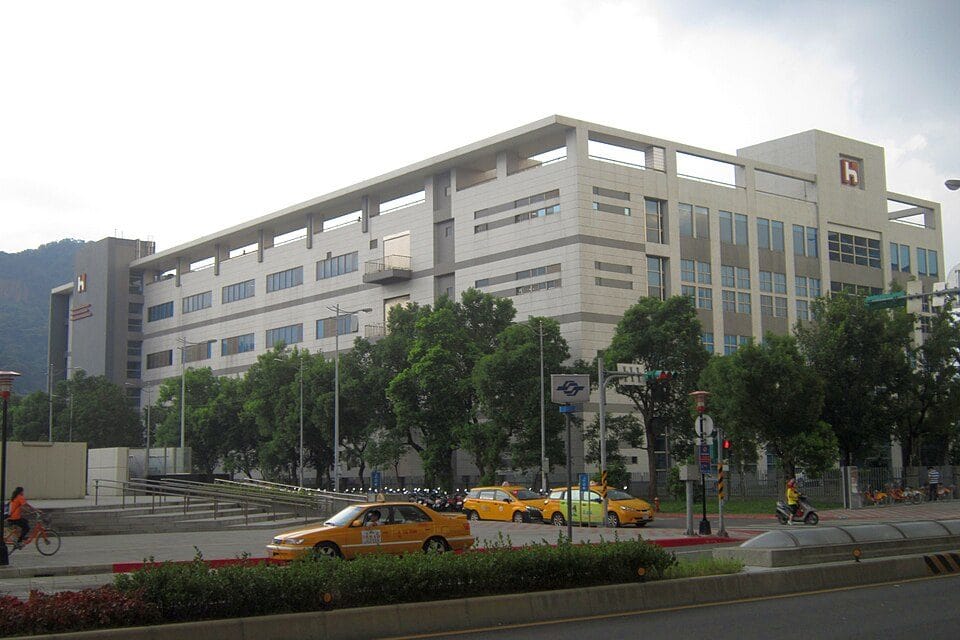
Foxconn, the Taiwanese contract manufacturer that assembles the bulk of the world's iPhones, is expanding its Indian production footprint, according to industry reports and company statements tracking the company's ongoing capital investment in the country. The move extends a shift that Apple began flagging publicly several years ago, when the company first said it intended to reduce its reliance on Chinese factories for a meaningful share of its device output.
Foxconn's largest India operations run through two main hubs: a long-established plant in Sriperumbudur, Tamil Nadu, and a newer facility in Devanahalli, near Bengaluru in Karnataka. Both sites assemble iPhone models for domestic sale and export, and both have added production lines and hiring in phases since 2023, according to public filings from Hon Hai Precision Industry, Foxconn's parent company. Reuters and Bloomberg have separately reported new capital commitments tied to the Karnataka site over the past two years, part of a broader pattern of Apple suppliers deepening their India presence rather than treating the country as a secondary option.
A Widening Circle of Suppliers
Foxconn is not alone. Tata Electronics, the Tata Group's electronics manufacturing arm, has taken an increasingly central role in Apple's India strategy after acquiring Wistron's Indian iPhone-assembly operations in 2023 and later taking over Pegatron's local unit as well. That consolidation gives an Indian conglomerate direct ownership of assembly capacity that previously sat entirely with Taiwanese contractors — a structural change analysts have pointed to as evidence that Apple wants long-term, not opportunistic, manufacturing partners in the country.
India's government has backed the shift with its Production-Linked Incentive scheme, which offers manufacturers financial incentives tied to incremental output and exports. The scheme, launched in 2020 and expanded since, has been credited by trade officials and industry associations with pulling forward investment decisions that suppliers might otherwise have delayed. Apple and its assembly partners have cited the PLI framework, alongside India's large domestic smartphone market, as factors supporting the country's growing share of iPhone output.
Tariff Pressure Adds Urgency
The diversification push predates the most recent round of US-China trade tensions, but tariff policy under the Trump administration has added urgency to it. Elevated US tariffs on Chinese-made electronics, alongside years of periodic export-control friction between Washington and Beijing, have pushed Apple and its suppliers to treat geographic concentration in China as a business risk rather than a purely cost question. Analysts covering the smartphone supply chain — including those at JPMorgan, who have published estimates on India's rising share of global iPhone assembly — have described the trend as structural rather than cyclical, tied to sourcing decisions that take years to unwind once made.
China remains Apple's largest manufacturing base by a wide margin, and Foxconn continues to operate extensive Chinese operations, including its flagship complex in Zhengzhou. Apple has not signaled an intention to exit Chinese production; the company's public statements have instead described a gradual rebalancing meant to reduce single-country concentration risk while preserving the scale advantages Chinese manufacturing still offers, particularly for components and precision engineering that India's supplier base has not yet fully replicated.
Employment and Export Effects
The Karnataka plant has drawn particular attention for its workforce composition — local reporting and company statements have noted a predominantly female assembly-line workforce, consistent with hiring patterns at Foxconn's other Indian sites. India's electronics exports, including iPhones, have grown substantially in recent years as assembly volumes have risen, a trend that both Indian trade officials and Apple's own supplier disclosures have pointed to when discussing the country's expanding role.
Foxconn has not detailed a specific production target for its India operations for the remainder of 2026. Hon Hai's periodic investor updates have described continued capital allocation toward Indian manufacturing capacity as part of the company's broader strategy of diversifying its customer and geography mix beyond its historical China-centered base — a strategy that extends beyond its Apple contracts to other electronics clients the company serves.