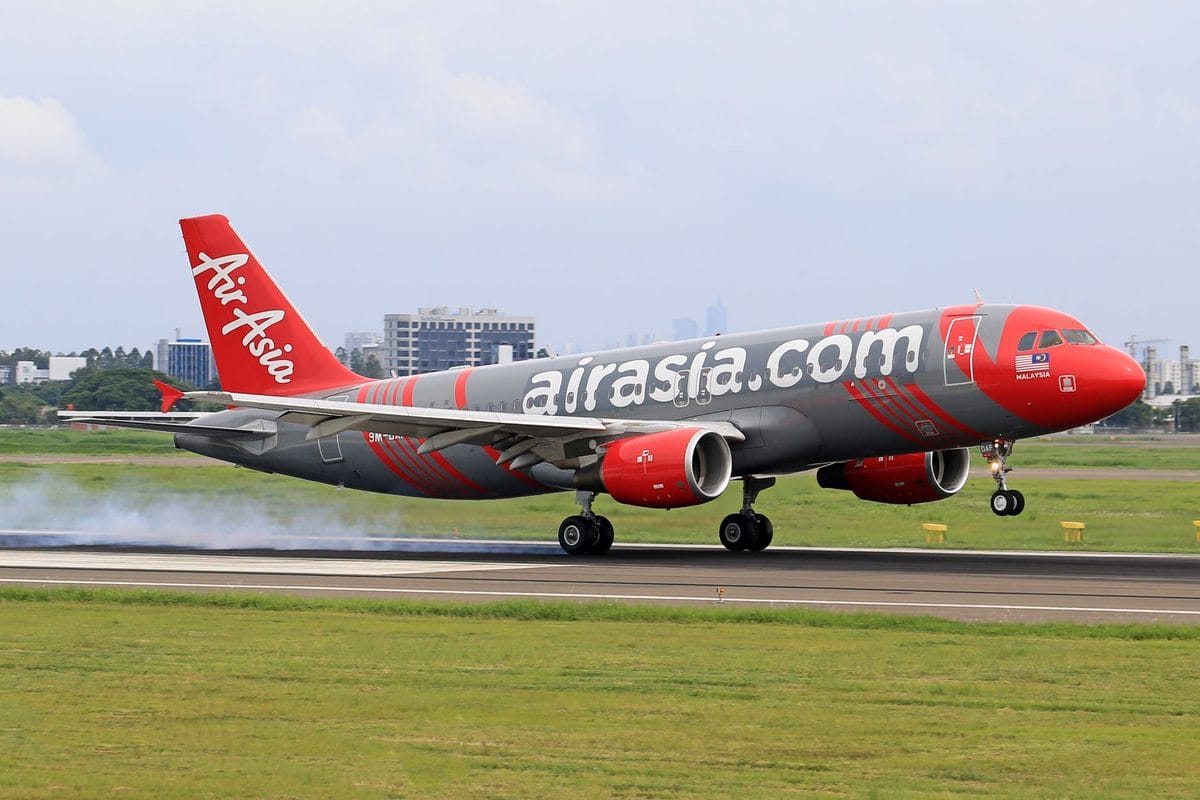
Southeast Asia's low-cost carriers are scrambling to expand fleets ahead of a peak summer travel season that is straining a regional aircraft supply already squeezed by manufacturer delays. AirAsia, VietJet and Cebu Pacific have all moved in recent weeks to secure additional planes, even as Airbus and Boeing backlogs push new-delivery timelines years into the future.
The pressure reflects a demand recovery that has outrun the industry's ability to add seats. Regional passenger traffic has climbed back above pre-2020 levels on most major routes, and carriers say forward bookings for the June-to-August period are among the strongest on record.
The supply squeeze
The core problem is on the manufacturing side. Both Airbus and Boeing are running multi-year order backlogs, and engine maker Pratt & Whitney's earlier issues with its geared turbofan engines forced airlines worldwide to ground aircraft for inspection, tightening the pool of available narrow-body jets. For Asian budget carriers built around single-aisle A320 and 737 fleets, that bottleneck lands directly on their growth plans.
According to airline executives, the result is a scramble for any flyable aircraft. Carriers are extending leases on planes they had planned to retire, sourcing second-hand jets at elevated prices, and in some cases delaying route launches they had already announced.
Who is moving, and how
AirAsia's long-haul affiliate has signalled it will lean on wet-leasing — renting aircraft complete with crew — to cover summer peaks rather than wait for owned deliveries. VietJet, which has placed large orders with both Airbus and Boeing, is pushing to accelerate whatever deliveries it can while expanding its network into India and Australia. Cebu Pacific has taken delivery of additional Airbus jets and is prioritising domestic Philippine routes where demand is densest.
"The demand is not the constraint this year," one regional aviation analyst said. "The constraint is metal on the tarmac. Whoever can put more seats in the air this summer wins, and right now nobody can put up as many as they'd like."
Fares and the consumer squeeze
For travellers, the mismatch between strong demand and constrained supply points one way: higher fares. Average ticket prices on popular intra-Asian routes have risen from the rock-bottom levels of the budget sector's early-2020s recovery push, as carriers find they can fill planes without discounting.
The shift is a double-edged outcome for the airlines. Higher yields improve a sector long criticised for thin margins, but they also test the core promise of the low-cost model — that flying is cheap. Carriers are betting that summer demand is strong enough to absorb the increases without denting volumes, a bet that holds only as long as the regional economy stays firm.
The longer arc
Beyond this summer, the structural story favours the budget sector. A growing middle class across India, Indonesia and the Philippines is flying for the first time, and the order books — however delayed — point to years of fleet expansion ahead. The near-term challenge is simply timing: the demand has arrived faster than the planes, and the carriers that manage the gap most cleverly will set the regional pecking order for the rest of the decade.