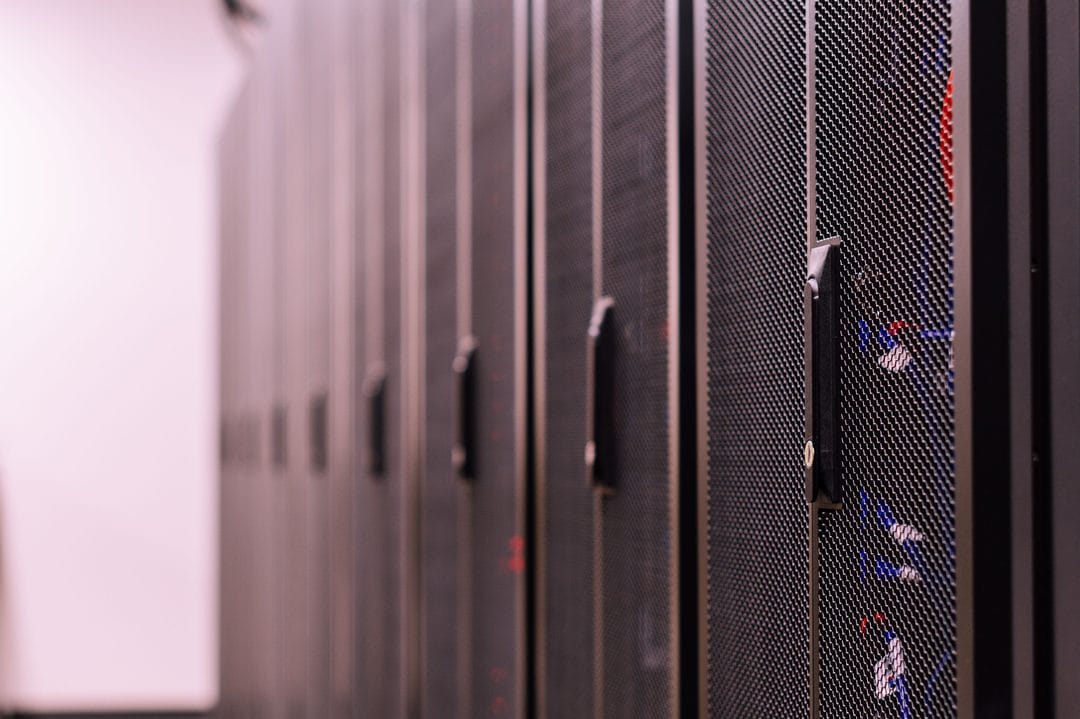
Data-centre construction across Asia is outpacing available power capacity in several key markets, forcing hyperscale operators including Microsoft, Google and Alibaba Cloud to compete directly with regional utilities for grid connections and industrial land. Singapore's Economic Development Board confirmed in June that new data-centre approvals remain capped under its post-2019 moratorium framework, pushing overflow demand into Johor, across the Malaysian border, where land prices in the Iskandar Puteri corridor have roughly tripled since 2022.
Malaysia's energy regulator, the Energy Commission, said data centres now account for close to 3 gigawatts of committed electricity demand in Johor alone — equivalent to several mid-sized coal plants — and has asked operators to co-invest in dedicated substations rather than draw purely from the shared grid. Tenaga Nasional, the state utility, has separately flagged transmission upgrade costs exceeding $1.5 billion tied directly to data-centre connection requests filed since 2023.
Japan faces a related but distinct constraint: available industrial water for liquid cooling. Chiba and Inzai, both established data-centre hubs outside Tokyo, have seen new project approvals slow as local water authorities weigh cooling demand against agricultural and residential use, according to filings reviewed by regional trade press. Equinix and NTT have both begun piloting closed-loop cooling systems at newer Japanese sites specifically to reduce water draw per megawatt.
India presents the sharpest land constraint of the group. Data-centre operators in the Mumbai and Chennai metropolitan regions are now paying a premium of roughly 40–60% over comparable industrial land from two years ago, brokers at Cushman & Wakefield told local media in May, as Reliance Jio, Adani and international operators including AWS compete for the same coastal fibre-connected plots.
The surge traces directly to AI training and inference workloads, which draw substantially more power per rack than the cloud-storage and web-hosting workloads that dominated the region's data-centre build-out a decade ago. A single AI training cluster rack can draw 40–60 kilowatts, several times the 6–10 kilowatts typical of a standard enterprise server rack, according to figures cited by the Uptime Institute.
South Korea's government, meanwhile, approved a separate framework in May directing new hyperscale projects toward Saemangeum and other regions with spare grid capacity, rather than the already-strained Seoul metropolitan area. Industry analysts expect similar geographic-steering policies to spread to Vietnam and Thailand as both countries court the next wave of regional data-centre investment.
Vietnam's Ministry of Planning and Investment has already fielded site-selection inquiries from at least two hyperscale operators for locations near Danang, according to two people briefed on the talks, betting on cheaper land and surplus hydropower capacity to undercut Singapore and Malaysia on total project cost.