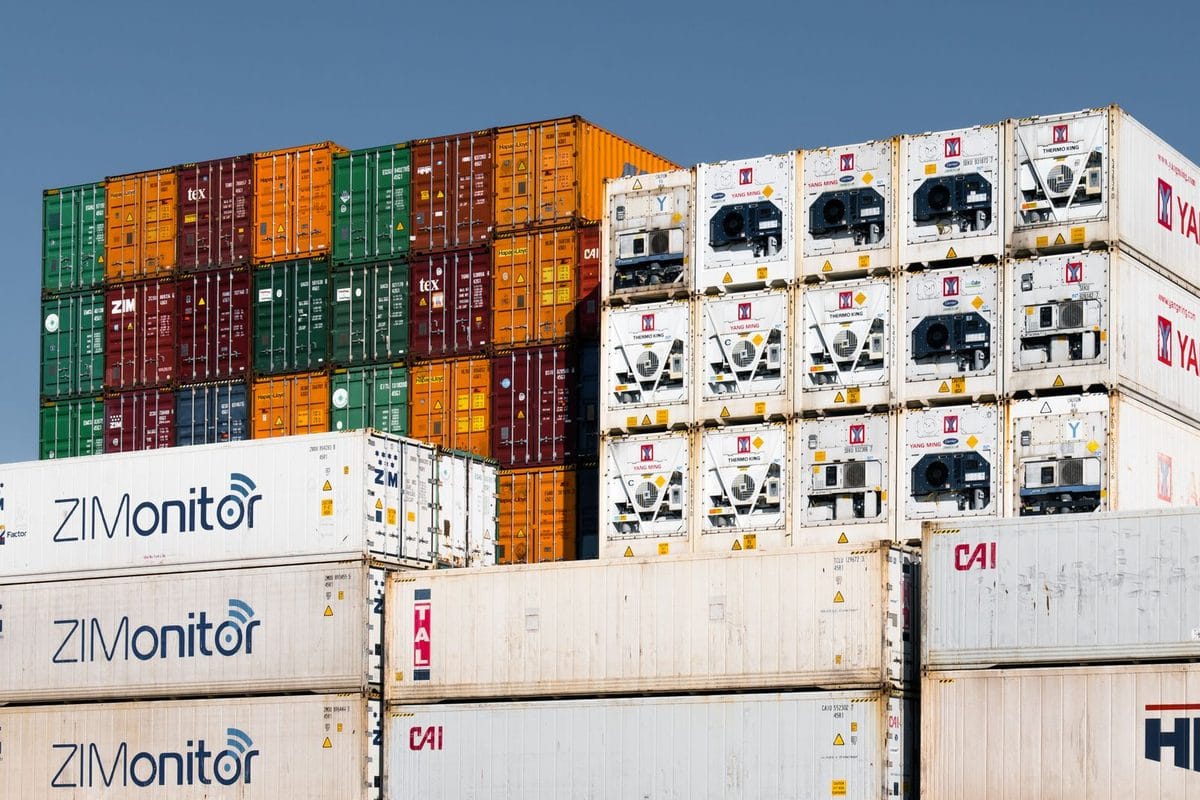
Port authorities and logistics operators across East and Southeast Asia are expanding cold-chain infrastructure this year, adding refrigerated warehouse space and temperature-controlled container capacity to handle a sustained rise in frozen and chilled food exports. Across the region, the buildout touches several of the busiest gateways, from transshipment hubs in Southeast Asia to ports serving consumer markets in Northeast Asia, and points to a broader shift in trade toward higher-value perishable goods.
Container lines and terminal operators say demand for reefer plugs, the electrical connection points that power refrigerated containers on ship and on dock, has outpaced general cargo growth at several major regional ports over the past two years. According to shipping analysts, peak-season reefer-slot utilization at some terminals has run well above capacity, prompting operators to bring forward expansions originally scheduled for later this decade.
Frozen and Chilled Exports Reshape Regional Trade Flows
The shift traces back to changing food consumption patterns across Asia and among buyers further afield. According to trade data reviewed by regional shipping analysts, seafood, poultry, dairy and processed frozen meals now account for a growing share of container volumes moving out of Southeast Asian and East Asian ports. Much of that cargo now moves in reefer containers rather than dry boxes, a switch that requires dedicated power infrastructure, monitoring systems and cold-storage buffer space at both ends of the voyage.
Exporters in Vietnam, Thailand and Indonesia have expanded frozen seafood and poultry shipments to buyers in Japan, South Korea and mainland China, while chilled dairy and produce routes between Australia, New Zealand and Southeast Asia have also grown. Meanwhile, logistics operators across the region describe the trend as durable rather than seasonal, tied to rising middle-class food consumption and to retailers' push for longer shelf life on imported goods.
Ports Add Refrigerated Container Capacity and Cold Storage
To keep pace, several major regional ports have added reefer plug points, built or leased new cold-storage warehouses next to container terminals, and upgraded yard equipment that can stack and retrieve temperature-sensitive boxes faster. Some facilities have also added blast-freezing and pre-cooling stations so cargo reaches its target temperature before loading, reducing spoilage risk during transit.
Warehouse operators active in the region report new cold-storage capacity coming onto the market at a faster pace than in prior years, much of it built near port precincts rather than inland. Shorter drayage distances between cold store and berth cut the window during which temperature-sensitive goods sit unrefrigerated during handoffs, the main reason developers favor sites close to the terminal gate.
The additions show up in a few concrete ways across the network:
- Additional reefer plug points and upgraded yard power at container terminals near several hub ports.
- Warehouse operators have built or leased new cold-storage space adjacent to port precincts rather than inland, cutting drayage time for temperature-sensitive cargo.
- Some ports have introduced dedicated cold-chain berths or priority handling lanes for reefer boxes during peak export weeks, among other operational changes.
Investment Follows Shifting Trade Routes
The capacity additions track a broader realignment of Asian trade routes. As manufacturing and sourcing patterns shift and intra-Asia trade deepens, port planners are betting that perishable exports will keep growing faster than dry cargo. Several regional governments have folded cold-chain logistics into national infrastructure plans, citing export growth and post-harvest loss reduction as parallel goals.
Tariff reductions under the Regional Comprehensive Economic Partnership have played a part as well, lowering barriers for frozen and chilled food moving between member economies in Southeast Asia, China, Japan, South Korea, Australia and New Zealand. Trade officials in several of those markets have pointed to the agreement as one reason intra-regional shipments of perishable goods have kept climbing even as broader container volumes have been uneven.
But not every port is keeping pace. Smaller and mid-sized facilities in parts of the region still lack dedicated reefer infrastructure, and logistics operators say uneven capacity across the network creates bottlenecks even where flagship hub ports have already expanded. Cold-chain gaps further inland, in trucking, rail and last-mile distribution, remain a separate constraint that port-side investment alone does not resolve.
Financing for the expansions has come from a mix of port-authority capital budgets, private terminal operators and, in some cases, development-bank lending earmarked for agricultural trade infrastructure. Several projects have been structured in phases, with initial reefer-plug and warehouse additions followed by later-stage automation of cold-storage retrieval systems.
Shipping lines have responded by adding reefer-equipped vessel capacity on routes linking Southeast Asia with Northeast Asia and with markets further afield, and some carriers have introduced dedicated cold-chain sailings timed to harvest and processing seasons. Separately, industry groups tracking the sector expect further port-side investment in refrigerated capacity over the next several years as regional food trade continues to expand.