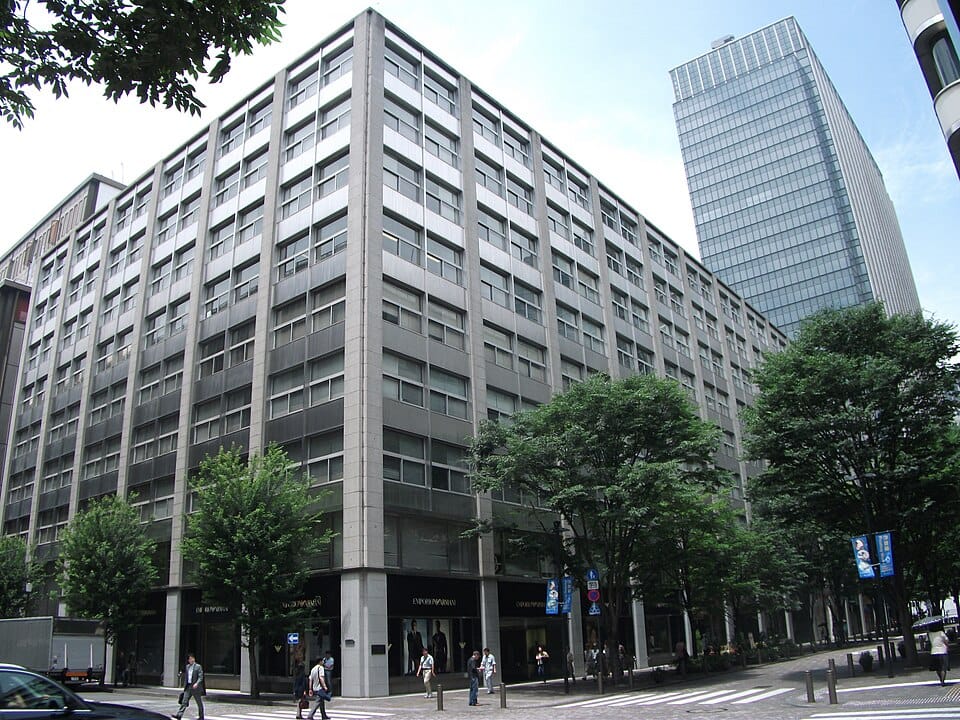
Vacancy Rate Approaches Pre-Pandemic Levels
The average vacancy rate for Grade A office buildings in Tokyo's five central wards fell to 4.8% in January, according to data from Miki Shoji Co., a commercial property research firm. The rate has declined for nine consecutive months from a peak of 6.4% in April 2025, approaching the 3.5% level recorded in January 2020 before the pandemic disrupted office markets globally.
Grade A rents in Marunouchi and Otemachi, Tokyo's premier business districts, averaged 29,800 yen ($201) per tsubo (approximately 35.6 square feet) per month, up 4.2% year-over-year. Rents in Minato ward, home to many technology and financial firms, rose 5.8%.
Return-to-Office Mandates Drive Demand
The vacancy decline reflects aggressive return-to-office policies by major Japanese employers. Toyota Motor mandated four-day in-office attendance for headquarters staff starting in October 2025. Mitsubishi UFJ Financial Group required five days for client-facing employees. Sony Group implemented a three-day minimum with plans to increase to four days in April 2026.
"Japanese corporate culture always had a strong in-person orientation, and the pandemic's remote work experiment was more reluctant here than in the West," said Atsuro Yamada, head of research at CBRE Japan. "The return to office has been faster and more complete than in New York or London."
New Supply Remains Limited
Tokyo's new office supply pipeline is constrained, supporting the vacancy decline. Approximately 180,000 square meters of Grade A space is scheduled for delivery in 2026, below the 10-year annual average of 220,000 square meters. The largest project, Mori Building's Azabudai Hills Phase 2, is 85% pre-leased.
The Tokyo Station area redevelopment projects, including Mitsubishi Estate's Tokiwabashi Tower 2 (scheduled for 2028) and Tokyo Torch (2029), will eventually add significant supply but remain several years from completion.
Foreign Investor Interest
The favorable supply-demand dynamics have attracted significant foreign capital. International investors acquired approximately 480 billion yen of Tokyo commercial property in 2025, a 34% increase from 2024, according to Real Capital Analytics. The weak yen has made Japanese real estate relatively inexpensive for dollar- and euro-denominated investors.
Blackstone Group purchased a portfolio of three Tokyo office buildings for approximately $1.2 billion in December, its largest Japanese office acquisition in five years. GIC, Singapore's sovereign wealth fund, acquired a Grade A tower in Roppongi for an undisclosed price believed to exceed $800 million.
Flex Space Growing
Despite the return-to-office trend, flexible workspace operators continue to expand. WeWork Japan, which restructured operations in 2024 after its global parent's bankruptcy filing, has stabilized at 45 locations. Local competitor Regus (IWG) plans to add 15 locations in 2026. The flex space segment now accounts for approximately 3% of Tokyo's total Grade A office stock, up from 1.5% in 2019.
Outlook
CBRE projects Tokyo Grade A vacancy will reach 4.2% by year-end 2026 and potentially break below 4% in 2027, which would mark the tightest market since 2019. Rental growth is expected to accelerate to 5% to 7% per year as vacancy tightens.
The Japan Real Estate Investment Trust (J-REIT) index has risen 12% year-to-date, outperforming the broader TOPIX index, as investors anticipate the office market recovery translating into higher distributions.