Groundbreaking on Metro Manila Subway Phase 2
Philippine President Ferdinand Marcos Jr. presided over the groundbreaking ceremony for the second phase of the Metro Manila Subway project on February 21, marking the start of construction on the country's most ambitious infrastructure undertaking. The combined investment in new and expanded rail lines totals approximately 510 billion pesos ($9 billion), financed through a combination of Japanese ODA loans, ADB concessional lending, and domestic government bonds.
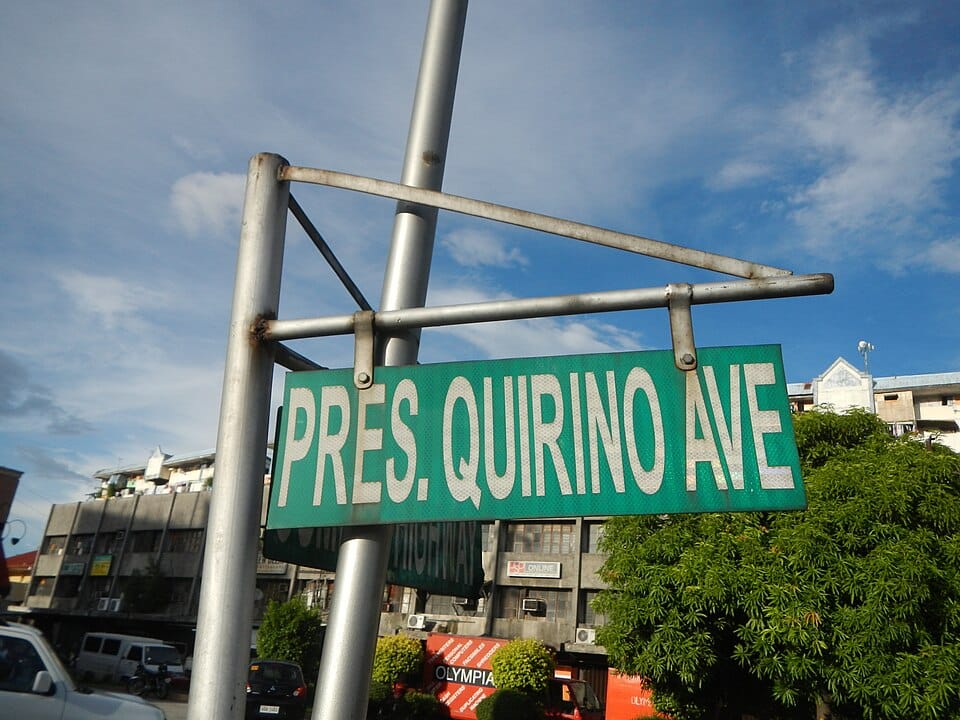
The Metro Manila Subway, which will be the first underground rail system in the Philippines, began limited operations on its 15-kilometer Phase 1 segment between Quirino Highway and Ortigas in December 2025, carrying approximately 120,000 passengers daily.
Phase 2 Extends to Airport and Business Districts
The second phase will extend the subway 18 kilometers southward from Ortigas through Bonifacio Global City, the Makati central business district, and the Entertainment City area to Ninoy Aquino International Airport Terminal 3. Completion is targeted for 2030.
"Connecting Manila's major business hubs with the international airport via underground rail will transform commuting and reduce the economic losses from traffic congestion," said Transportation Secretary Jaime Bautista. The Japan International Cooperation Agency estimated that Metro Manila's traffic congestion costs the economy approximately 3.5 billion pesos per day in lost productivity.
LRT and MRT Extensions
The package also includes a 12-kilometer extension of the Light Rail Transit Line 1 south to Bacoor, Cavite (180 billion pesos), and a 6-kilometer northward extension of the existing Metro Rail Transit Line 7 to San Jose del Monte, Bulacan (85 billion pesos). Both extensions are expected to be operational by 2029.
Combined daily ridership across all new and extended lines is projected to reach 800,000 passengers by 2032, relieving pressure on Manila's chronically congested roads.
Japanese Financing
JICA is providing 340 billion pesos in concessional loans at an interest rate of 0.3% with a 40-year repayment period, making it one of the largest single ODA commitments in JICA's history. Japanese contractors including Shimizu, Taisei, and Obayashi have secured primary construction contracts, with Filipino firms serving as subcontractors and local content requirements set at 30%.
The ADB is contributing 85 billion pesos through sovereign-guaranteed loans, with technical assistance for project management and environmental safeguards.
Economic Impact
The National Economic and Development Authority projects that the rail investments will add 0.3 to 0.5 percentage points to annual GDP growth during the construction period and generate approximately 85,000 direct and indirect jobs.
Property developers have already responded to the planned subway alignment. Ayala Land's BGC and Makati developments have seen condominium prices appreciate 8% to 12% since the subway route was confirmed, while SM Prime's properties near suburban stations have experienced similar gains.
Broader Transport Strategy
The Manila rail expansion is part of the Marcos administration's broader Build Better More infrastructure program, which has allocated 1.5 trillion pesos across transport, water, digital, and energy projects for 2026. The country's infrastructure spending-to-GDP ratio has risen to 6.2%, approaching the 7% target that economists consider necessary for the Philippines to sustain growth above 6% annually.