TSMC Plans $12 Billion Expansion of Japan Chip Fabrication Complex
TSMC announced a $12 billion expansion of its Kumamoto fab complex in Japan, adding 6-nanometer capacity to serve automotive and AI chip demand.
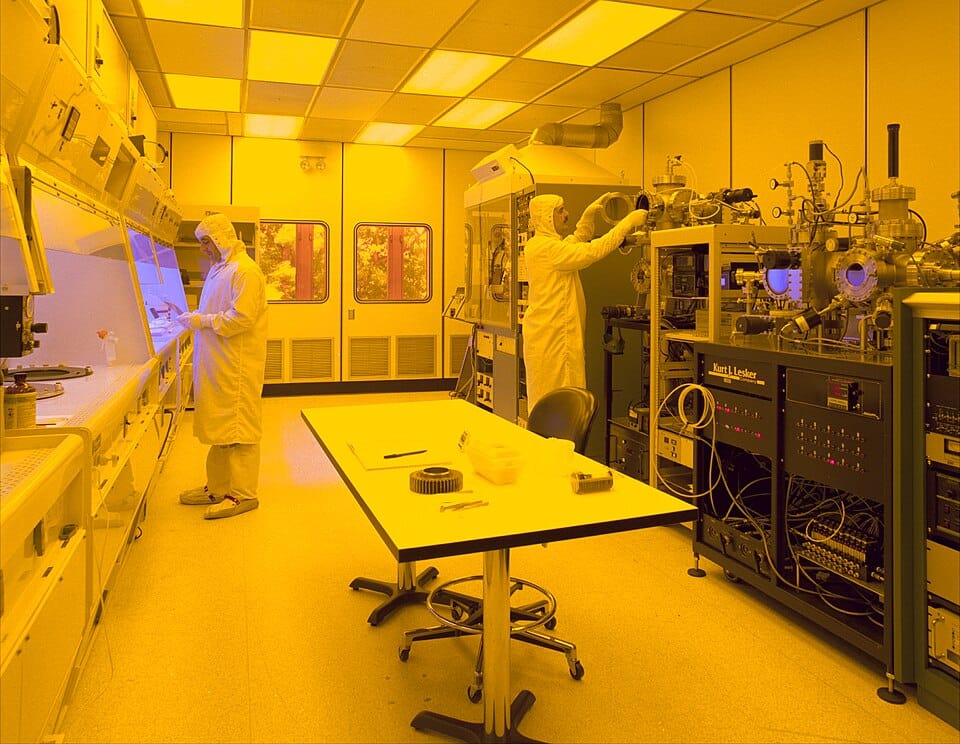
Second Kumamoto Fab to Begin Construction in 2026
Taiwan Semiconductor Manufacturing Co. announced plans to invest approximately $12 billion to build a second fabrication plant at its Kumamoto complex in southern Japan, doubling the site's production capacity with 6-nanometer process technology. Construction is scheduled to begin in the first quarter of 2026, with volume production expected by late 2027.
The Japanese government will subsidize roughly 40% of the investment through grants from the Ministry of Economy, Trade, and Industry, according to people familiar with the arrangement. Japan has committed over $25 billion to rebuilding its domestic semiconductor industry since 2022.
Advanced Node for Automotive and AI Chips
The existing Kumamoto fab, which began production in February 2025, manufactures chips using 12-nanometer and 28-nanometer processes primarily for automotive clients including Sony, Toyota, and Denso. The second fab will produce more advanced 6-nanometer chips suited for artificial intelligence inference accelerators, automotive processors, and high-performance computing applications.
"The progression to 6 nanometers in Kumamoto positions Japan as a meaningful node in the global semiconductor supply chain," said Mark Li, an analyst at Bernstein Research. "It's not leading-edge, but it addresses a critical gap in mature-to-mid-range production."
Supply Chain Diversification
The expansion aligns with broader efforts by governments worldwide to reduce dependence on chip production concentrated in Taiwan. TSMC produces over 90% of the world's most advanced semiconductors on the island, which sits roughly 100 miles from mainland China.
TSMC is simultaneously building facilities in Arizona, where its first U.S. fab is scheduled to begin production in early 2026, and in Dresden, Germany, through a joint venture with Bosch, Infineon, and NXP Semiconductors.
Japan's Semiconductor Revival
The Kumamoto investment has already transformed the local economy. Land prices around the fab site have risen 35% since the project was announced in 2022, and the prefectural government estimates that TSMC-related economic activity will generate 4.3 trillion yen ($29 billion) over the next decade.
Rapidus, a separate Japanese consortium backed by Toyota and Sony, is building a fab in Hokkaido that aims to produce 2-nanometer chips by 2027, though analysts remain skeptical about the feasibility of that timeline.
TSMC Financial Performance
TSMC reported third-quarter revenue of NT$759.7 billion ($23.5 billion), a 36% increase year-over-year driven by surging demand for AI training and inference chips. The company's gross margin expanded to 57.8%, the highest since 2022.
Shares of TSMC have gained 58% this year, giving the company a market capitalization of approximately $850 billion. The stock trades at 22 times forward earnings, a premium to Intel's 14 times but below Nvidia's 35 times.
Capital expenditure for the full year is projected at $32 billion to $36 billion, with the majority allocated to leading-edge 3-nanometer and 2-nanometer capacity in Taiwan.