RCEP Trade Pact Drives 14% Surge in Intra-Asian Commerce
Trade among RCEP member nations surged 14% in the first half of 2025 as cumulative tariff reductions and streamlined rules of origin took full effect.
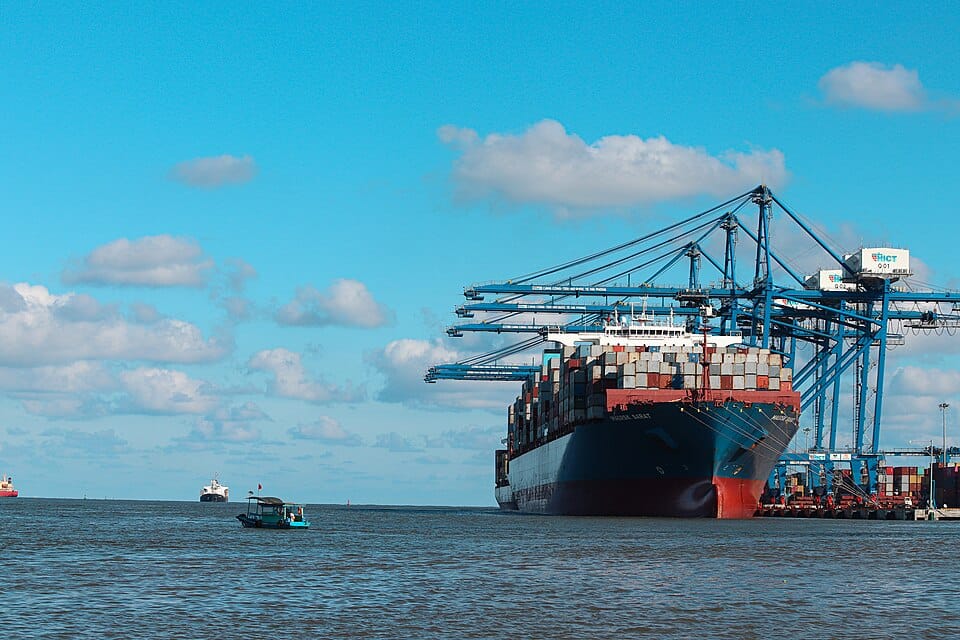
RCEP's Cumulative Tariff Cuts Reach Critical Mass
Trade among the 15 member nations of the Regional Comprehensive Economic Partnership grew 14% year-over-year in the first half of 2025, reaching $3.4 trillion, according to data compiled by the ASEAN Secretariat. The growth rate significantly outpaced the 3.2% expansion in global trade recorded by the World Trade Organization over the same period.
The acceleration reflects cumulative tariff reductions that have now eliminated duties on approximately 65% of goods traded within the bloc, up from 40% when the agreement took effect in January 2022. By 2030, tariff-free treatment will cover more than 90% of product categories.
Rules of Origin Simplify Supply Chains
RCEP's unified rules of origin allow manufacturers to source components from any member country and still qualify for preferential tariff rates. The provision has been particularly beneficial for electronics and automotive supply chains that span multiple countries.
"A smartphone assembled in Vietnam using a Korean display, a Japanese image sensor, and a Chinese battery can now qualify for RCEP preferential rates in every member market," said Deborah Elms, executive director of the Asian Trade Centre in Singapore. "That was not possible under the previous patchwork of bilateral agreements."
Sector Highlights
Electronics and electrical equipment accounted for the largest share of intra-RCEP trade at $680 billion, followed by machinery ($420 billion), chemicals ($310 billion), and agricultural products ($290 billion). Agricultural exports from ASEAN nations to China and Japan grew 22%, driven by palm oil, rubber, and tropical fruits benefiting from newly reduced tariffs.
China-ASEAN trade reached $512 billion in the first half, growing 17% and cementing China's position as ASEAN's largest trading partner for the fifth consecutive year. Japan-ASEAN trade expanded 11%, while Korea-ASEAN trade rose 13%.
Services and Investment Provisions
RCEP's services liberalization commitments, which took effect for all members in July, opened market access in financial services, telecommunications, and professional consulting. Singapore reported a 28% increase in applications for cross-border service licenses from RCEP members in the third quarter.
The investment chapter, which guarantees national treatment and most-favored-nation status for investors from member states, has helped drive a 19% increase in intra-RCEP foreign direct investment, according to preliminary data from UNCTAD.
Challenges Remain
Utilization rates for RCEP preferential tariffs vary widely. South Korea and Japan reported utilization rates above 30%, while smaller ASEAN economies such as Cambodia and Laos remained below 10%, reflecting limited awareness among small exporters and bureaucratic hurdles in obtaining certificates of origin.
Geopolitical tensions between China and several member states also cast a shadow. The Philippines and Australia have both pursued World Trade Organization disputes against China on separate trade issues, raising questions about the pact's ability to resolve frictions among its members.
The next RCEP Joint Committee meeting, scheduled for December in Jakarta, will review proposals to accelerate tariff reduction schedules for digital goods and environmental products, two categories not fully addressed in the original agreement.