China's PBOC Cuts Reserve Requirement Ratio by 50 Basis Points
China's central bank cut the reserve requirement ratio by 50 basis points, releasing an estimated 1.2 trillion yuan to support the slowing economy.
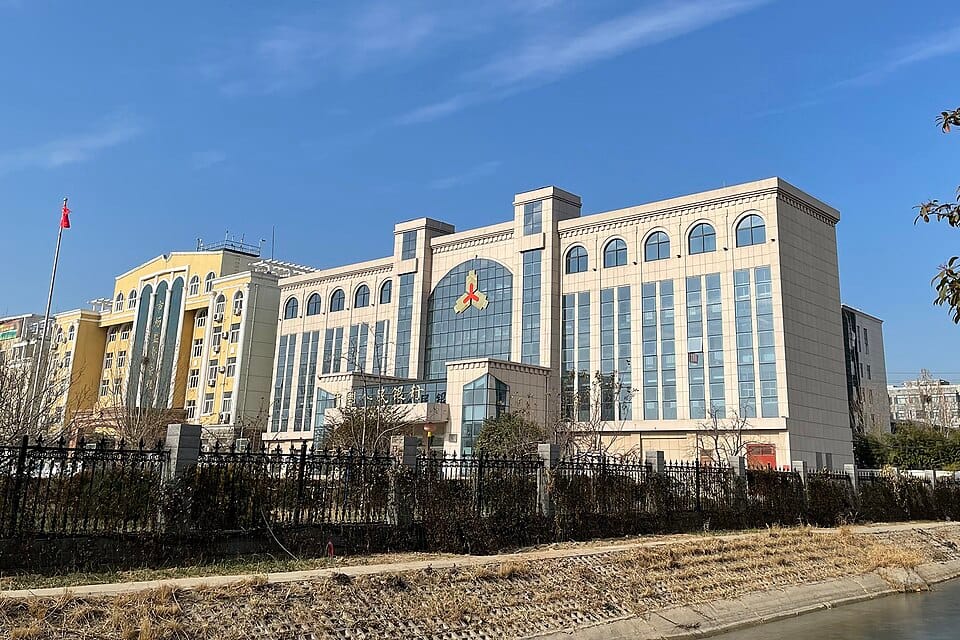
PBOC Releases 1.2 Trillion Yuan in Liquidity
The People's Bank of China reduced the reserve requirement ratio for major banks by 50 basis points to 8.5%, effective November 1, in the latest move to prop up an economy grappling with deflation, weak consumer spending, and a protracted property downturn. The cut will release approximately 1.2 trillion yuan ($165 billion) in long-term liquidity into the banking system, the central bank said in a statement on October 24.
PBOC Governor Pan Gongsheng said the reduction aimed to "maintain reasonably ample liquidity and support the real economy." It was the second RRR cut this year, following a 25-basis-point reduction in March.
Property Sector Remains the Key Concern
China's real estate market continued to weigh on growth. New home prices in 70 major cities fell 4.2% year-over-year in September, the 15th consecutive monthly decline, according to the National Bureau of Statistics. Property investment dropped 9.8% in the first nine months of the year compared to the same period in 2024.
The central bank also announced a 25-basis-point cut to the five-year loan prime rate, reducing it to 3.60%, to lower mortgage costs for homebuyers. Existing mortgage holders will see their rates adjusted automatically starting in January.
Deflationary Pressures Linger
Consumer prices rose just 0.1% year-over-year in September, while the producer price index fell 2.4%, marking 24 months of factory-gate deflation. Core CPI, stripping out food and energy, increased 0.5%, well below levels consistent with healthy demand.
"China is in a liquidity trap in all but name," said Ting Lu, chief China economist at Nomura. "Monetary easing alone cannot solve a balance-sheet recession. The government needs to spend more aggressively on direct fiscal transfers to households."
Fiscal Stimulus Under Discussion
State media reported that the Ministry of Finance was preparing an additional 2 trillion yuan in special government bonds to fund infrastructure projects and local government debt restructuring. The National People's Congress Standing Committee is expected to approve the package at its late October session.
China's GDP grew 4.6% year-over-year in the third quarter, meeting the government's 4.5% to 5.0% target range but marking a deceleration from 4.9% in Q2. Full-year growth of around 4.8% would fall short of the official 5% target.
Market Impact
The CSI 300 index rose 1.8% on the day of the announcement, extending its rally from September lows. The offshore yuan weakened marginally to 7.14 per dollar, reflecting expectations that further easing could put additional pressure on the currency.
Bond markets rallied, with the 10-year Chinese government bond yield falling to 2.12%, a record low. Credit default swap spreads on Chinese property developers tightened modestly but remained elevated.
Investors are looking to the Politburo's December economic work conference for signals on 2026 fiscal policy. Any announcement of direct consumer subsidies or an expansion of the housing trade-in program could mark a significant shift in Beijing's stimulus approach.