Japan Approves $42 Billion Supplementary Budget for Semiconductor and Defense
Japan's parliament approved a 6.3 trillion yen supplementary budget, directing significant funds toward semiconductor subsidies, defense modernization, and energy security.
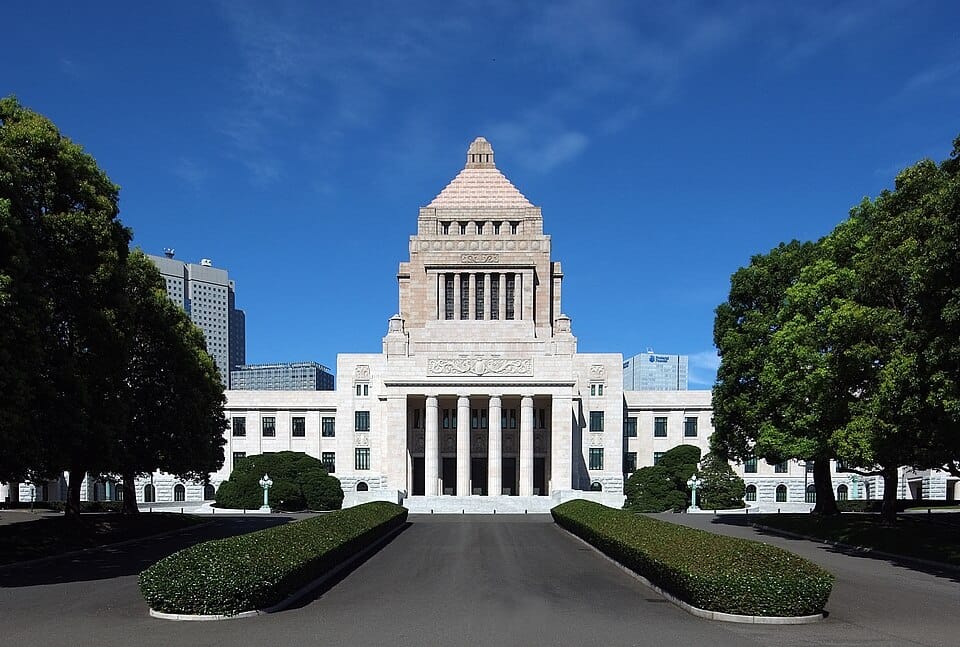
Diet Approves Spending Package
Japan's parliament approved a 6.3 trillion yen ($42 billion) supplementary budget on December 8, allocating substantial funding for semiconductor manufacturing subsidies, defense procurement, and energy security initiatives. The package passed the lower house with support from the ruling Liberal Democratic Party coalition and the opposition Democratic Party for the People.
Prime Minister Shigeru Ishiba called the budget "essential for safeguarding Japan's economic security and technological sovereignty" at a press conference following the vote.
Semiconductor Subsidies Expanded
The budget includes 2.1 trillion yen for semiconductor-related investments, covering subsidies for TSMC's Kumamoto expansion, Rapidus Corporation's Hokkaido fab, and new incentives for domestic chip designers and equipment manufacturers. An additional 400 billion yen was allocated to Kioxia Holdings, the world's second-largest NAND flash memory producer, which is preparing for a public listing.
Japan has now committed approximately 5.4 trillion yen in total semiconductor subsidies since 2022, making it one of the world's most aggressive government investors in the sector, behind only the United States and the European Union.
Defense Spending Accelerates
The defense allocation totaled 1.8 trillion yen, covering procurement of long-range cruise missiles, Patriot PAC-3 air defense systems, and advanced surveillance drones. Japan's defense budget has increased 27% since 2022 as the country works toward its target of spending 2% of GDP on defense by fiscal year 2027, up from approximately 1.6% currently.
Mitsubishi Heavy Industries, Japan's largest defense contractor, is expected to be a primary beneficiary. The company's order backlog grew 45% in the latest fiscal year, driven by government contracts for next-generation fighter jets and naval vessels.
Energy Security Provisions
Energy-related allocations totaled 1.2 trillion yen, including subsidies to extend the operating life of nuclear power plants, investments in offshore wind farm development, and stockpiling of critical minerals including lithium, cobalt, and rare earth elements. Japan has accelerated reactor restarts since the energy price shock of 2022, with 12 of 33 operable reactors now back online.
The government also earmarked 300 billion yen for next-generation nuclear technology, including small modular reactors and fusion research. Mitsubishi Heavy and Hitachi are leading the SMR development program, with a demonstration unit planned for the early 2030s.
Fiscal Sustainability Concerns
The supplementary budget will be financed primarily through government bond issuance, raising Japan's total bond dependency ratio for fiscal year 2025 to approximately 35%. Gross government debt stands at 260% of GDP, the highest among developed economies.
"Japan's fiscal position is sustainable as long as the BOJ maintains accommodative monetary policy and domestic institutions continue to absorb government bonds," said Izumi Devalier, head of Japan economics at Bank of America. "But the margin for error is narrowing as rates rise."
The 10-year Japanese government bond yield has risen to 1.05% from 0.40% at the start of 2024, increasing debt servicing costs. The Ministry of Finance projects that interest payments on government debt will reach 28 trillion yen in fiscal year 2026, up from 22 trillion in fiscal 2024.