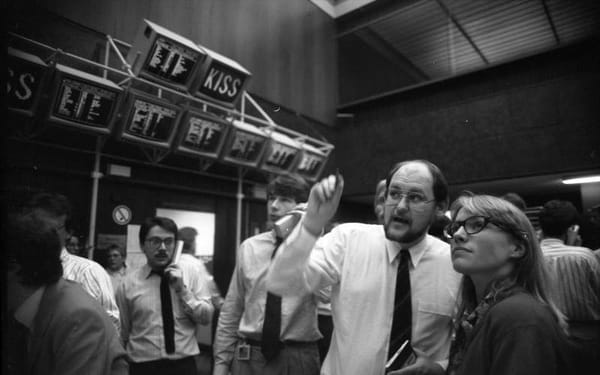
Philippine Central Bank Cuts Rate to 5.5% as Inflation Eases
The Bangko Sentral ng Pilipinas cut its key rate by 25 basis points to 5.5% as headline inflation fell to 2.3%, well within the central bank's target range.
Third Rate Cut in Current Easing Cycle
The Bangko Sentral ng Pilipinas cut its overnight reverse repurchase rate by 25 basis points to 5.5% on November 5, the third reduction since the central bank began easing monetary policy in August. The move was widely expected, with 18 of 20 economists surveyed by Reuters predicting the cut.
BSP Governor Eli Remolona Jr. said inflation had moderated "faster than anticipated" and that the balance of risks to the price outlook had shifted to the downside. Headline consumer price inflation fell to 2.3% in October, well within the central bank's 2% to 4% target range and down from a peak of 8.7% in early 2023.
Growth Considerations
The Philippine economy expanded 5.8% year-over-year in the second quarter, the strongest pace in Southeast Asia after Vietnam. However, household consumption growth moderated to 4.6% from 5.2% in Q1, reflecting the lagged impact of previous rate hikes on borrowing costs.
"The BSP has room for at least two more cuts before reaching neutral," said Nicholas Mapa, senior economist at ING Bank in Manila. "We expect the terminal rate to settle at 5.0% by mid-2026, barring a major external shock."
Real Estate and Lending
Lower borrowing costs are expected to support the property sector, where residential loan growth slowed to 6.8% year-over-year in August from 11.2% a year earlier. Major developers including Ayala Land, SM Prime, and Megaworld reported a pickup in reservation sales during the third quarter, particularly for mid-range condominium projects in Metro Manila.
Bank lending to businesses grew 10.4% in September, led by loans to the manufacturing, trade, and real estate sectors. The central bank's latest survey of senior loan officers showed that credit standards for commercial borrowers were unchanged, while standards for consumer loans loosened slightly.
Peso Holds Steady
The Philippine peso traded at 56.30 per dollar following the announcement, little changed on the day. The currency has depreciated 2.1% against the dollar this year, outperforming regional peers including the Thai baht and Indonesian rupiah.
Foreign exchange reserves stood at $106.8 billion as of end-September, providing 8.2 months of import cover. Remittances from overseas Filipino workers, a key source of dollar inflows, rose 3.8% year-over-year to $27.1 billion through August.
Fiscal Position
The Philippine government's fiscal deficit narrowed to 4.8% of GDP through September from 5.2% a year earlier, aided by strong tax collections. The Bureau of Internal Revenue reported a 14.3% increase in revenue, driven by improved compliance and higher corporate income tax receipts.
The next BSP policy meeting is scheduled for December 18. Rate futures imply a 70% probability of another 25-basis-point cut, which would bring the benchmark to 5.25% heading into 2026.