Japan's BOJ Holds Rates at 0.5% as Yen Weakness Persists
The Bank of Japan kept its benchmark interest rate unchanged at 0.5%, signaling patience as the yen lingered near 152 per dollar.
BOJ Stands Pat for Second Consecutive Meeting
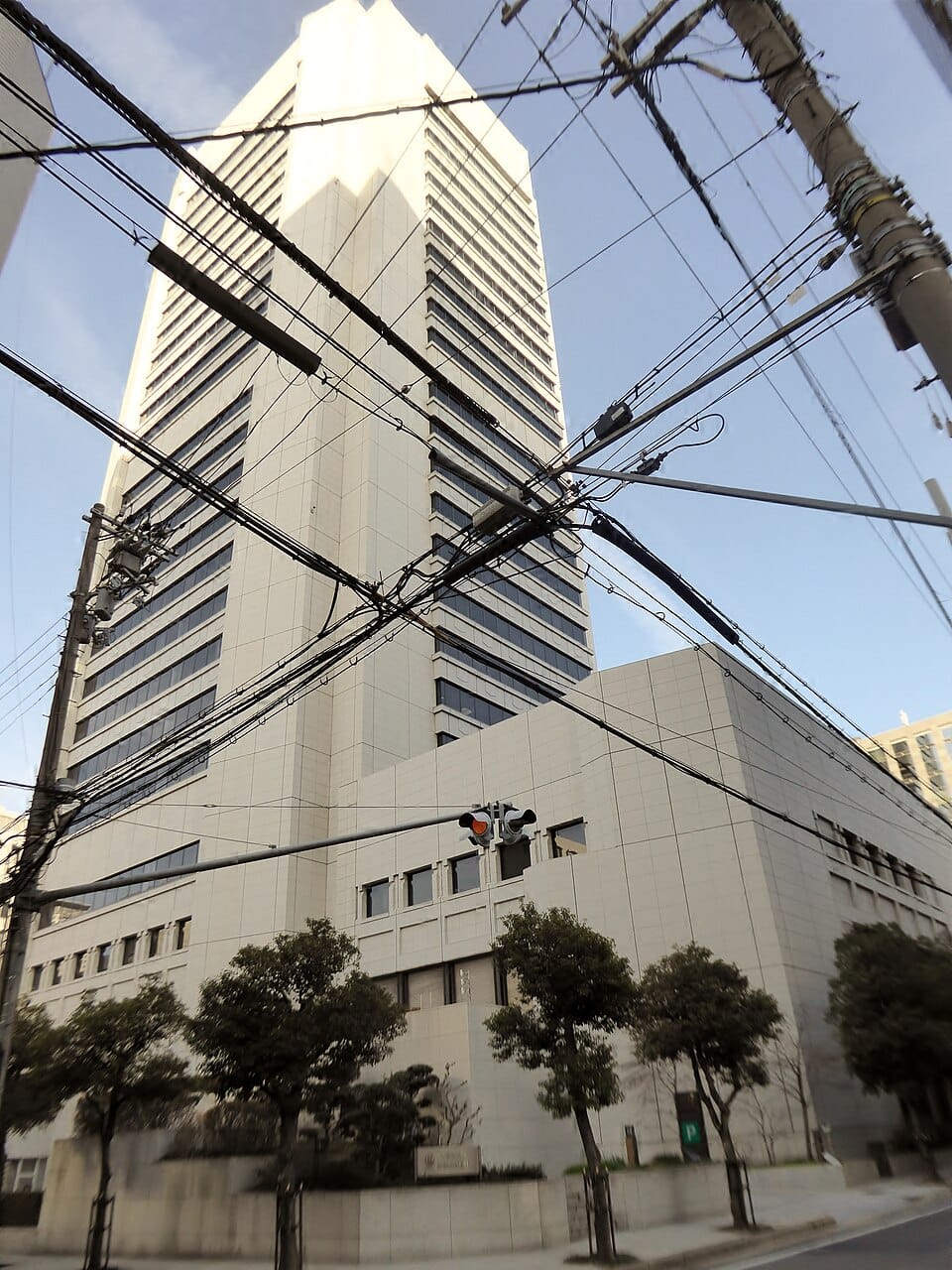
The Bank of Japan left its short-term policy rate unchanged at 0.5% on October 17, in line with expectations from 38 of 41 economists surveyed by Bloomberg. The decision marks the second consecutive hold after the central bank raised rates from 0.25% in July, its third hike since exiting negative interest rates in March 2024.
Governor Kazuo Ueda told a post-meeting press conference that the board would continue to assess the durability of wage growth and underlying inflation before considering further tightening. "We need to confirm that the virtuous cycle between wages and prices is firmly in place," Ueda said.
Yen Remains Under Pressure
The Japanese yen traded at 151.80 per dollar following the announcement, weakening 0.3% on the day. The currency has depreciated roughly 8% against the dollar this year, making it one of the worst-performing major currencies in 2025.
Finance Minister Katsunobu Kato reiterated that authorities were "watching currency markets with a high sense of urgency" but stopped short of signaling intervention. Japan's Ministry of Finance spent approximately $62 billion defending the yen in 2024, but those operations provided only temporary relief.
Inflation Stays Above Target
Core consumer prices, excluding fresh food, rose 2.8% year-over-year in September, above the BOJ's 2% target for the 30th consecutive month. The so-called core-core measure, which also strips out energy, increased 2.3%.
Spring wage negotiations earlier this year delivered average base-pay increases of 3.6%, the highest in three decades, according to data from the Japanese Trade Union Confederation (Rengo). However, real wages adjusted for inflation remained negative in August, raising concerns about the strength of domestic consumption.
Economic Activity Mixed
Japan's economy grew at an annualized rate of 2.1% in the April-June quarter, but early indicators for the July-September period painted a mixed picture. Industrial production declined 1.4% month-over-month in August, while retail sales rose 2.4% year-over-year.
Exports grew 5.8% in September, led by auto shipments to the United States and semiconductor equipment sales to Taiwan and South Korea. The trade balance swung to a surplus of 146.3 billion yen, the first positive reading in four months.
Market Expectations for Next Hike
Overnight index swap markets are pricing in a 65% probability of a 25-basis-point rate increase at the BOJ's January 2026 meeting. Analysts at Nomura expect the terminal rate to reach 1.0% by mid-2026, though they cautioned that a sharper-than-expected slowdown in China or a global trade shock could delay the tightening path.
Japanese government bond yields were little changed after the decision, with the 10-year JGB trading at 1.02%. The Nikkei 225 index rose 0.6% to close at 38,940 points.